 Reviews

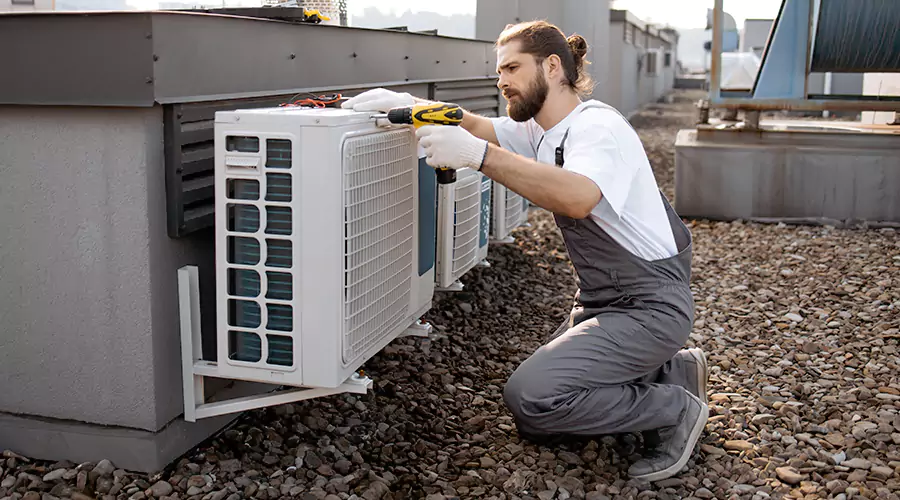
Choosing a new heating and cooling setup is a major decision for any homeowner. The right system can improve comfort, reduce energy waste, and support better indoor air throughout the year with professional residential HVAC services.
When choosing hvac system options, homeowners should look beyond price alone. System type, home size, efficiency rating, ductwork condition, climate, and installation quality all matter.
This hvac buying guide explains the main options and what to consider before making a final decision.
Why the Right HVAC System Matters?
Your HVAC system controls indoor temperature during hot and cold seasons. It also affects airflow, humidity, energy use, and overall home comfort.
The best hvac system for home use should match your property's layout and your family's comfort needs. A system that is too small may run constantly. A system that is too large may cycle too often and create uneven comfort.
The goal is to choose equipment that works efficiently without wasting energy.
How System Choice Affects Comfort and Energy Use?
System selection determines how evenly your home heats and cools. The best hvac system for home use should match layout and insulation and climate.
Poor system choice can lead to uneven temperatures and higher energy use. Correct selection supports steady comfort and controlled operating cost.
Understand Your Heating and Cooling Needs
A heating and cooling system should fit your home's size, insulation, windows, ductwork, and climate. A smaller home may need a different setup than a larger two-story property.
Before buying equipment, think about your comfort problems. Some homes have hot rooms, cold bedrooms, weak airflow, high humidity, or rising utility bills.
These details help a contractor recommend a system that solves real comfort issues instead of only replacing old equipment.
How to Identify Your Home's Comfort Requirements?
A proper heating and cooling system should address real comfort issues in your home. This includes hot rooms and weak airflow and humidity problems.
A home evaluation helps match system type to structure and usage. This step prevents replacing equipment without solving the core problem.
Common Residential HVAC Options
Homeowners can choose from several residential hvac options. Each system has different strengths depending on your home and budget.
| System Type | Best For | Key Benefit |
|---|---|---|
| Central HVAC | Homes with existing ducts | Whole-home heating and cooling |
| Ductless Mini Split | Additions, garages, older homes | Room-by-room control |
| Heat Pump | Mild to moderate climates | Heating and cooling from one system |
| Furnace and AC | Homes needing strong winter heat | Reliable heating with separate cooling |
This simple hvac system comparison can help you understand where each option fits.
Central HVAC Systems
A central hvac system uses ductwork to move conditioned air through the home. It is common in many U.S. homes and works well when ducts are properly sized and sealed.
Central systems can provide steady comfort across multiple rooms. They may also work with air filtration, humidifiers, dehumidifiers, and smart thermostats.
If your home already has good ductwork, central HVAC may be a practical choice.
When Central Systems Are the Right Fit?
A central hvac system works best in homes with existing ductwork in good condition. It can deliver consistent air distribution across multiple rooms.
Proper duct design is critical for performance and efficiency. Poor ductwork can reduce airflow and limit comfort.
Ductless HVAC Systems
A ductless hvac system does not need traditional air ducts. Instead, indoor air handlers connect to an outdoor unit and condition specific rooms or zones.
Ductless systems work well for home additions, sunrooms, garages, older homes, and spaces with uneven temperatures. They also allow separate temperature control in different areas.
If ductwork installation would be costly or difficult, a ductless option may be worth considering.
Where Ductless Systems Work Best?
A ductless hvac system is ideal for spaces without ductwork or rooms with uneven temperatures. It allows direct control over specific zones. This setup reduces energy waste by conditioning only occupied areas. It also avoids the cost of installing new ducts.
Heat Pump Systems
A heat pump system can heat and cool a home using one unit. In cooling mode, it works much like an air conditioner. In heating mode, it moves heat into the home.
Heat pumps are popular for homeowners who want efficiency and year-round comfort. They can be especially useful in areas with mild winters.
In colder regions, some homes may need backup heat for very low temperatures.
How Heat Pumps Provide Year Round Comfort?
A heat pump system offers both heating and cooling in one unit. It transfers heat instead of generating it which improves efficiency.
This system performs well in moderate climates. Backup heating may be required in colder regions.
Furnace and AC Systems
A furnace and ac system combines a furnace for heating with an air conditioner for cooling. This setup is common in homes that need strong heating during colder months.
The furnace handles winter comfort, while the AC manages summer cooling. This option may be a good fit if your home already has ductwork and gas service.
A contractor can help you decide if replacing both units together makes sense.
Compare Home Heating Options
Different home heating options work better in different climates and homes. Furnaces can deliver strong heat quickly. Heat pumps can provide efficient heating in many areas.
Some homes may use boilers, electric heating, or hybrid systems. The right choice depends on energy costs, comfort needs, fuel availability, and existing equipment.
A professional load calculation can help narrow the best option.
Compare Home Cooling Options
Your home cooling options may include central AC, ductless mini splits, heat pumps, or zoned systems. Each option offers a different balance of cost, comfort, and efficiency.
Central AC may be ideal for whole-home cooling. Ductless systems may work better for specific rooms or homes without ducts.
If your current cooling system leaves certain rooms warm, ask about airflow and zoning solutions.
Focus on Energy Efficiency
An energy efficient hvac system can reduce waste and help your home feel more comfortable. Efficiency matters because heating and cooling often make up a large part of home energy use.
Look for systems with strong efficiency ratings and features that match your home's needs. Higher efficiency equipment can cost more upfront, but it may reduce long-term operating costs. Efficiency also depends on proper installation and maintenance.
Why Efficiency Impacts Long Term Cost?
An energy efficient hvac system reduces energy waste during daily operation. Efficient systems maintain temperature with less effort.
Higher efficiency can lower monthly utility bills over time. Installation quality also plays a major role in actual performance.
Understand SEER Ratings
The seer rating hvac buyers see on cooling equipment measures seasonal cooling efficiency. A higher rating usually means better cooling efficiency.
SEER ratings help homeowners compare AC units and heat pumps. However, the highest rating is not always the best choice for every home.
A contractor should explain how efficiency, price, climate, and usage affect your long-term value.
How to Use SEER Ratings When Comparing Systems?
The seer rating hvac label shows how efficiently a system cools over a season. Higher ratings indicate lower energy use under standard conditions.
SEER should be evaluated along with climate and usage patterns. The highest rating is not always the best value for every home.
Choose the Right System Size
Correct hvac system size is one of the most important parts of system selection. Bigger equipment is not always better.
A unit that is too large can cycle on and off too quickly. A unit that is too small can run too long and still fail to keep the home comfortable.
The right size hvac unit should be based on a professional load calculation, not guesswork.
Features to Consider Before Buying
Modern hvac system features can improve comfort and control. Some features may also help reduce energy waste.
Useful features may include:
- Variable-speed operation for smoother comfort.
- Smart thermostat compatibility for better control.
- Improved filtration for cleaner indoor air.
- Zoning options for room-by-room comfort.
- Quiet operation for bedrooms and living areas.
- Humidity control for better indoor comfort.
Choose features that solve actual problems in your home.
Use a Practical Installation Guide
A basic hvac installation guide starts with a home evaluation. The contractor should inspect the layout, insulation, windows, ductwork, electrical capacity, and comfort concerns.
The installation process should include proper equipment sizing, safe removal of old equipment, careful system placement, and final performance testing.
Good installation protects the value of your new system.
Ask for Contractor Advice
Reliable hvac contractor advice can help you compare options without pressure. A good contractor should explain the pros and cons of each system clearly.
Ask questions about system size, energy ratings, warranty coverage, expected comfort improvements, and maintenance needs.
A trustworthy contractor will recommend what fits your home instead of pushing the most expensive option.
When to Install a New System?
A new hvac system may make sense if your current equipment is old, inefficient, unreliable, or poorly sized. It may also be the right move if repair costs keep increasing.
Replacement can improve comfort when your current system struggles with airflow, humidity, noise, or uneven temperatures.
Before buying, compare at least a few options and request written estimates.
Signs It Is Time to Replace Your HVAC System
A new hvac system may be needed when your current unit becomes unreliable or inefficient. Frequent repairs and rising energy bills often signal system decline.
Replacement can improve airflow and comfort and energy use. A professional inspection confirms if replacement is the better option.
Final Thoughts
Choosing the right HVAC system takes more than picking a brand or price. Homeowners should compare system types, efficiency ratings, installation quality, home size, and comfort needs.
The best choice should fit your home, budget, climate, and long-term goals. With proper sizing and professional installation, your new system can keep your home comfortable for years.